Risse durch Temperaturwechsel
Fassaden dehnen sich im Sommer aus und ziehen sich im Winter zusammen. Klassische Putzfarben reißen — feine Risse werden zu Eintrittspforten für Wasser und Frost.
RUBBERPAINT
local_shipping
Versandkostenfrei ab €199,00
trending_up
Nur noch €199,00 bis kostenlosem Versand!
check_circle
Versandkostenfrei freigeschaltet! 🎉
bolt
Versand in 24 h
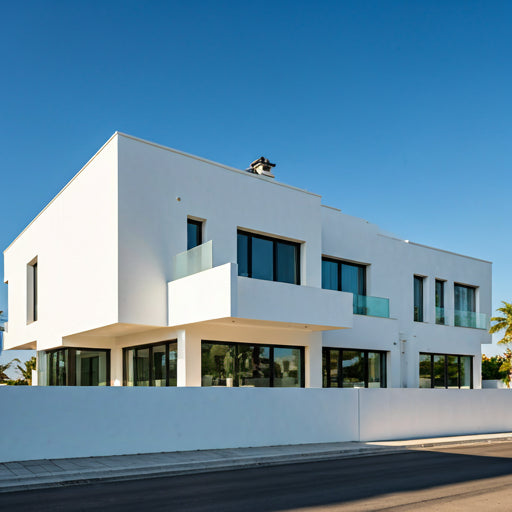
Elastomeric facade paint against cracks, weathering and algae infestation. Direct on render, concrete or masonry — without primer in most cases. Follows thermal building movement and lets wall moisture escape.
A facade works constantly — it heats up, cools down, gets wet, dries out. Rigid paints crack, peel, fade. The result: saturated walls, mould from the inside, and an appearance that gets worse year by year.
Fassaden dehnen sich im Sommer aus und ziehen sich im Winter zusammen. Klassische Putzfarben reißen — feine Risse werden zu Eintrittspforten für Wasser und Frost.
Damp weather-exposed sides become a breeding ground for algae and fungi. Black spots, green film — bad for looks and building fabric, a health concern if growth reaches indoor spaces.
UV-Strahlung baut Pigmente ab. Nach 3–5 Jahren wirken klassische Farben matt, vergrauen oder bilden eine kreidige Schicht, die bei Berührung abfärbt.
Hochelastisch (Klasse A0/C0 nach EN 1062-1) — folgt jeder thermischen Bewegung der Fassade. Feine Haarrisse verschwinden unter der elastischen Membran.
Lässt Mauerfeuchtigkeit von innen entweichen, sperrt aber Regen von außen aus. Kein Feuchtigkeitsstau in der Wand.
Stabilisierte Pigmente halten Farbe auch nach 10 Jahren prallem Sonnenschein. Keine Kreidung, kein Verblassen.
Putz, Beton, Mauerwerk, Klinker, alte Anstriche — direkt überstreichbar. Spart Grundierungsarbeit in den meisten Fällen.
A clean base for years of adhesion.
Clean the facade thoroughly — a pressure washer (min. 100 bar) removes algae, dirt, loose paint and chalking. Mechanically remove loose, flaking old paint (scraper, wire brush). Pre-fill cracks > 1 mm with repair mortar and let cure for 7 days.
For algae or fungal infestation, pre-treat with an algae/fungus remover, let act for 24 h, rinse thoroughly and let dry for 48 h.
Pro tip: The Sellotape test checks old-paint adhesion — stick a strip on and pull off sharply. If paint stays attached, the substrate is sound; if only flakes come off, full removal is needed.
Lock down strongly absorbent substrates.
On strongly absorbent substrate (fresh render, lime sandstone, old lime render) or heavily chalking old paints: apply a hydrophobising deep primer. Reduces first-coat consumption by up to 30 % and significantly improves adhesion. Let dry for 12 h before further work.
On sound, closed paint, primer can be skipped — proceed directly to Step 3.
Pro tip: Apply deep primer thinly — a thick coat forms a glossy film that worsens main-coat adhesion.
Dilute with up to 5 % water (up to 10 % with airless sprayer).
Apply with lambswool roller (short nap, 10 mm), brush or airless sprayer (15–18 MPa, nozzle 0.021–0.026″). Dilute with up to 5 % water (sprayer up to 10 %). Diluted, the first coat penetrates the substrate and forms the bonding base. Consumption 100–200 g/m².
Particularly careful at connections to windows, doors and plinths — these detail points demand gapless coverage.
Pro tip: On tall facades use a cherry picker or scaffolding — never ladders above 4 m; the risk is too high and work quality suffers from a wobbly position.
At least 4 hours at 23 °C.
At 23 °C and 50 % RH dry for at least 4 hours. Wait longer in cooler weather or high humidity (up to 8 h). Test: the coat must no longer be tacky to finger pressure and leave no impressions.
Protect the facade from direct sun (streaking) and rain (softening) during drying — stretch a tarpaulin if uncertain.
Pro tip: Follow the sun — start on the west side in the morning, work to the east side in the afternoon. This avoids direct sun during drying.
Apply undiluted, cross to the first coat.
Apply the second coat cross to the first for even coverage. Consumption again 100–200 g/m². Undiluted for full layer thickness. Rain-resistant after 24 h (manufacturer specification), fully load-bearing after 28 days.
On the weather side (south/west) a third coat is recommended — UV and rain load there is 2–3× higher than on protected sides and otherwise shortens service life.
Pro tip: Judge the final colour only after full curing (28 days) — fresh coating looks slightly milky, especially on the shaded side, but clears up completely.
On the weather side (south/west) apply an additional third coat — UV and rain load is 2–3× higher there than on protected sides. On heavily weathered or chalky old coatings apply a deep primer first.
Berechnen Sie die Wandfläche (Höhe × Breite minus Fenster/Türen). Auf Wetterseiten empfehlen wir 3 Schichten statt 2.
Standard: 2 coats. 3 for heavily-stressed surfaces.
Verbrauch: 150 g/m² pro Schicht. +10 % Reserve für Schnittkanten und unebene Flächen. Bei Großprojekten (> 80 m²) kontaktieren Sie uns für eine individuelle Beratung.
Empfehlung
für 20 m² · 2 Schichten
Wird berechnet…
Versandkostenfrei ab 199 € — schauen Sie sich Ihren Warenkorb nach dem Hinzufügen an.
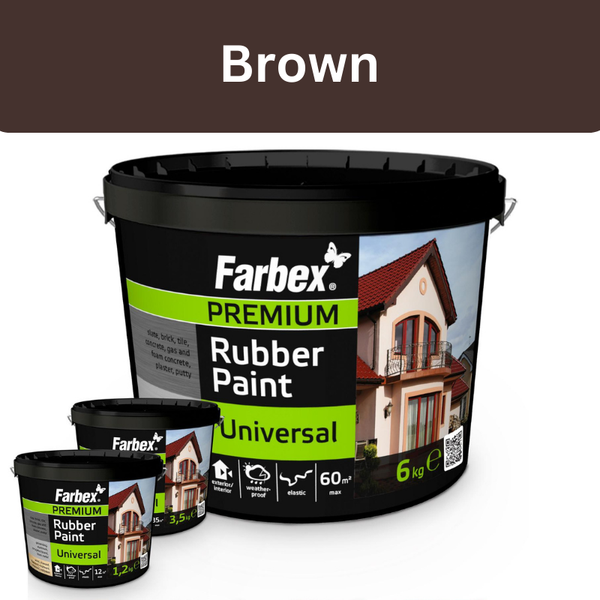
Weiß und helle Grautöne dominieren moderne Fassaden — Beige und Brauntöne harmonieren mit klassischen Gebäuden. Anthrazit für Akzente an Sockel oder Fensterleibungen.
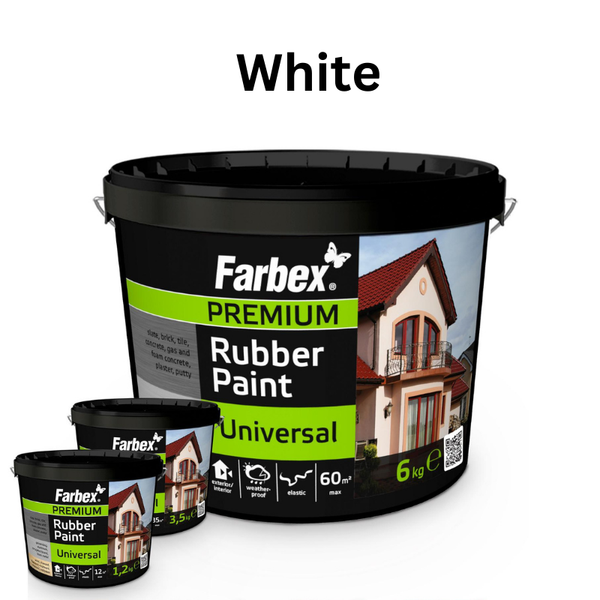
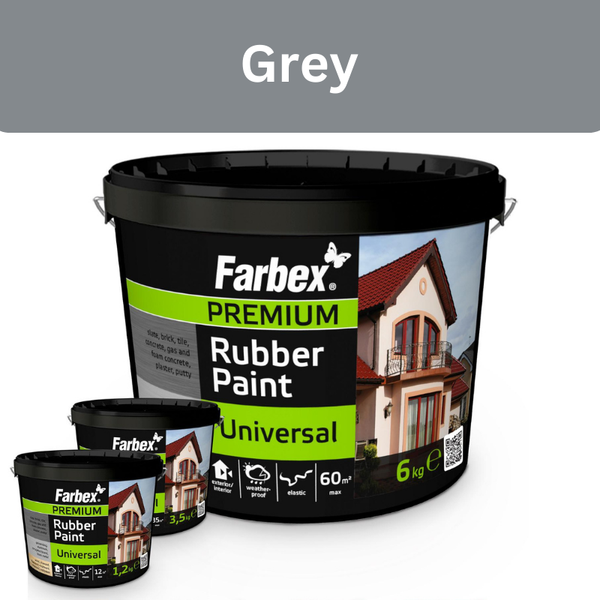
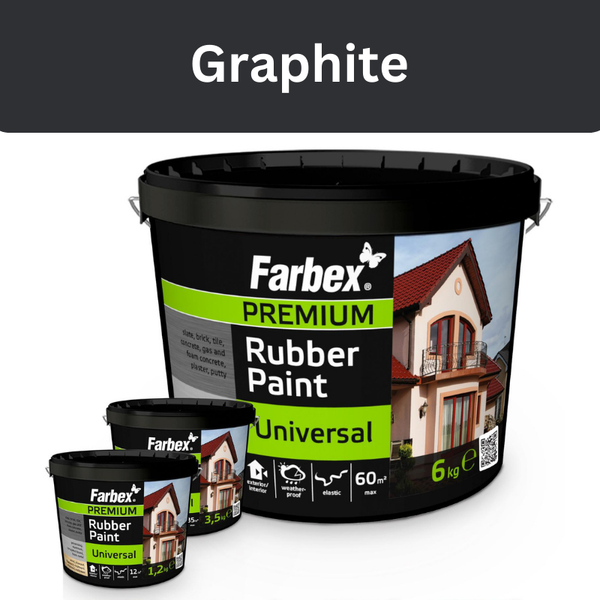
Unser Team berät Sie zu Untergrund, Farbwahl und Materialbedarf — kostenlos und unverbindlich.