Rost frisst weiter
Once started, rust spreads under the paint. Classic enamels get blasted off from below. After 2–3 years the entire paint crumbles — the damage is usually beyond saving.
RUBBERPAINT
local_shipping
Versandkostenfrei ab €199,00
trending_up
Nur noch €199,00 bis kostenlosem Versand!
check_circle
Versandkostenfrei freigeschaltet! 🎉
bolt
Versand in 24 h
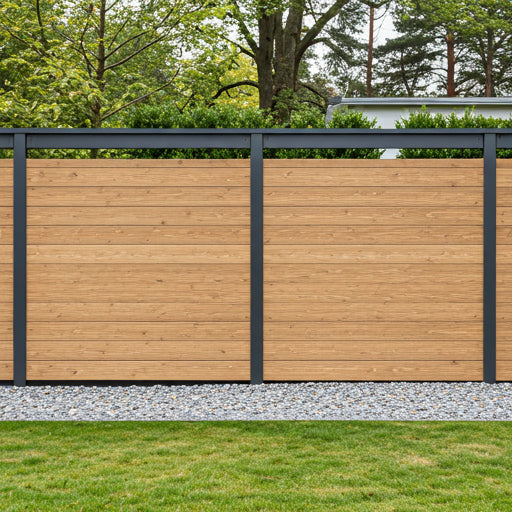
Elastic coating for steel, iron, aluminium and corrugated sheeting. Stops existing rust, protects against weather and follows the thermal expansion of the metal — no cracks, no spalling.
Metal moves more than any other building material — it expands, contracts, vibrates. Classic enamels are rigid and crack. As soon as the slightest damage occurs, rust starts — and can't be stopped, it eats further.
Once started, rust spreads under the paint. Classic enamels get blasted off from below. After 2–3 years the entire paint crumbles — the damage is usually beyond saving.
Metal expands with heat by 0.012 mm/m/°C. In the summer-winter cycle that means several millimetres of movement — rigid paints crack and peel; sandblasting + repainting costs thousands.
Streusalz, Küstennähe oder Pool-Umgebung beschleunigen Korrosion um Faktor 3–5. Standardlacke halten dort selten länger als 2 Jahre. Spezialprodukt für Salzbelastung ist Pflicht.
Hochelastisch (Klasse A0/C0) — folgt der thermischen Ausdehnung des Metalls ohne zu reißen. Klassische Lacke versagen genau hier.
Festsitzender Rost wird mit Rostumwandler neutralisiert, dann direkt beschichtet. Spart Sandstrahlen — kann lokal saniert werden, statt komplett neu zu lackieren.
Geeignet für Küstennähe, Streusalz-Umgebung und Pool-Bereiche. Hält auch dort, wo klassische Lacke nach 2 Jahren aufgeben.
Auch im Hochsommer auf sonnenexponierten Stahlflächen (Wellblechdächer, dunkle Tore) bleibt die Beschichtung elastisch und intakt.
Wire brush, grinding disc or sandblasting.
Use wire brush, grinding disc or sandblasting to remove loose rust and old, flaking coatings — down to a sound substrate. Work welds and screw connections particularly thoroughly, as rust nests sit here. Firmly adhered surface rust stays — it'll be converted in the next step.
For heavily rusted spots, have welds or individual sheets replaced — coating alone won't save eaten-through steel.
Pro tip: Sandblasting gives the best surface (St 2.5 to EN ISO 8501-1) — for large areas, rental equipment from a DIY store is much cheaper than professional treatment.
Converts iron oxide into a stable compound.
On firmly adhered surface rust: apply a commercial rust converter (phosphoric-acid based) evenly. Let act for 24 h, then wipe with a damp cloth. Converts iron oxide into a stable, neutral compound that serves as a bonding base for the coating.
Smooth transitions between rust-free and treated areas with sandpaper.
Pro tip: Only apply rust converter on fully dry rust — on damp rust the phosphoric acid doesn't react properly and the result is unstable.
With acetone or brake cleaner.
Clean the entire surface with acetone or brake cleaner — removes invisible oils, grease and residue from the rust converter. Wipe with lint-free cloths, change often. Let dry for 30 minutes — don't touch with bare hands afterwards.
On large areas wear gloves and re-degrease after every break — hand sweat is just as problematic as lubricant.
Pro tip: On non-ferrous metals (aluminium, galvanised steel) degreasing isn't enough — these need roughening with grit 80–120 sandpaper or a special primer for non-ferrous metals.
Undiluted, applied generously.
Apply the first coat undiluted and generously. With brush or short-pile roller. Consumption 150–200 g/m². Particularly generous on edges, welds and screw connections — these are the most vulnerable, where corrosion starts. Gapless coverage, no pinholes (small visible holes).
On vertical surfaces work top to bottom and spread out drips immediately.
Pro tip: Light the wet coat from a flat angle with a torch — pinholes become immediately visible and can still be touched up before the layer dries.
Cross to the first, after 4 h.
After 4 h apply the second coat cross to the first. Consumption again 150–200 g/m². In salty environments (coast, road-salt area) or industrial exhaust, a third coat is recommended. Rain-resistant after 24 h (manufacturer specification), fully load-bearing after 28 days.
In the splash zone (ground contact, lower 30 cm) also a third coat — these areas are salt-stressed.
Pro tip: Annual visual inspection of the weather side — touch up small damage immediately, otherwise rust spreads further under the coat.
Degreasing is the underrated step — even minimal grease residue (hand sweat, lubricant, old paint) prevents lasting adhesion. Wipe thoroughly with acetone or special degreaser using fresh cloths. After degreasing, don't touch the metal with bare hands.
Metall ist nicht saugend, braucht aber volle Deckkraft. Bei salzhaltiger Umgebung empfehlen wir 3 Schichten für maximalen Schutz.
Standard: 2 coats. 3 for heavily-stressed surfaces.
Verbrauch: 175 g/m² pro Schicht. +10 % Reserve für Schnittkanten und unebene Flächen. Bei Großprojekten (> 80 m²) kontaktieren Sie uns für eine individuelle Beratung.
Empfehlung
für 20 m² · 2 Schichten
Wird berechnet…
Versandkostenfrei ab 199 € — schauen Sie sich Ihren Warenkorb nach dem Hinzufügen an.
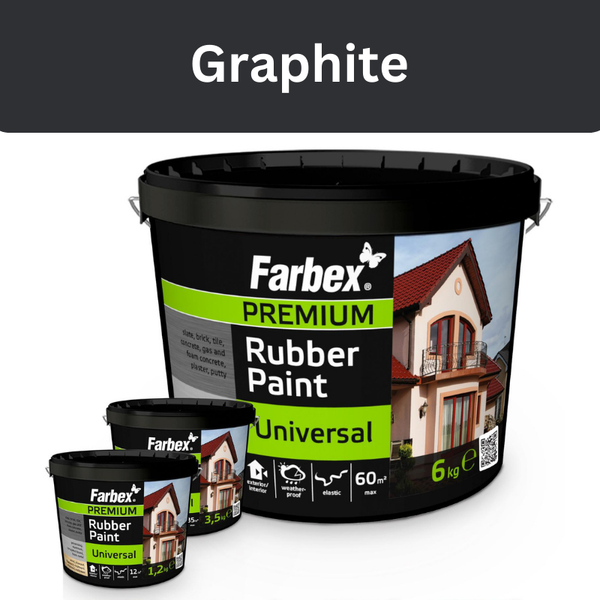
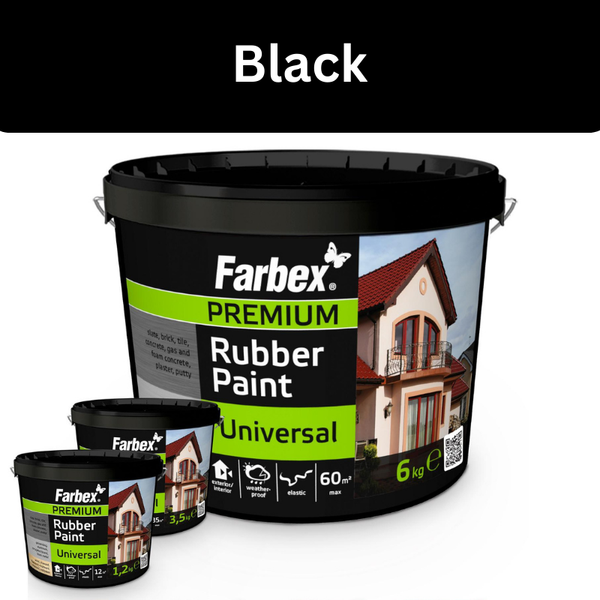
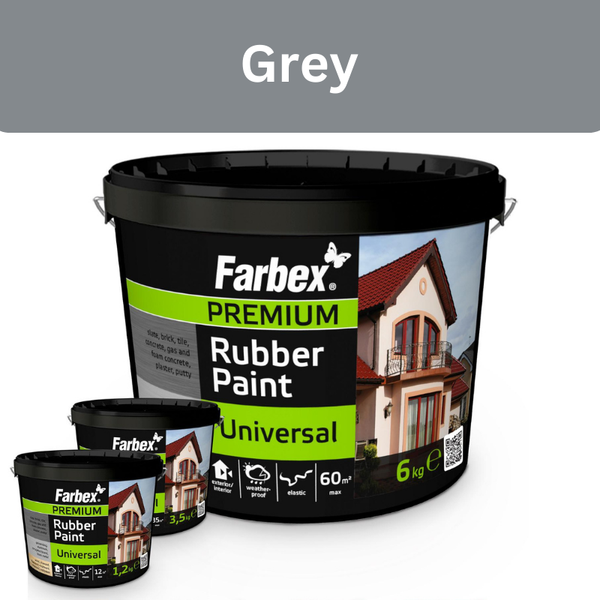
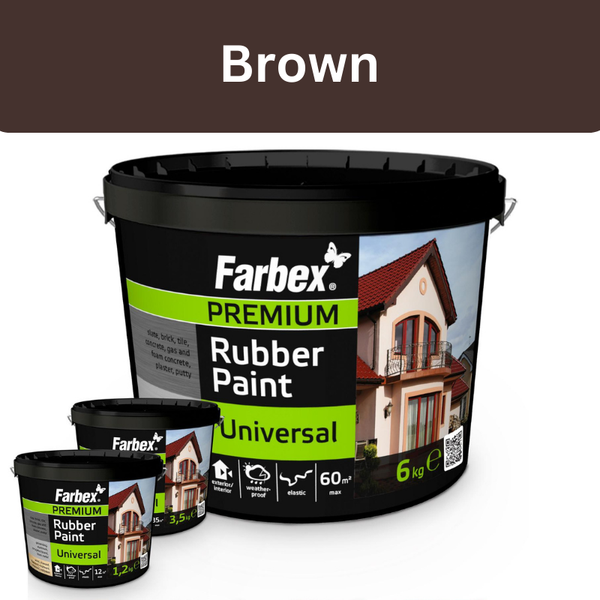
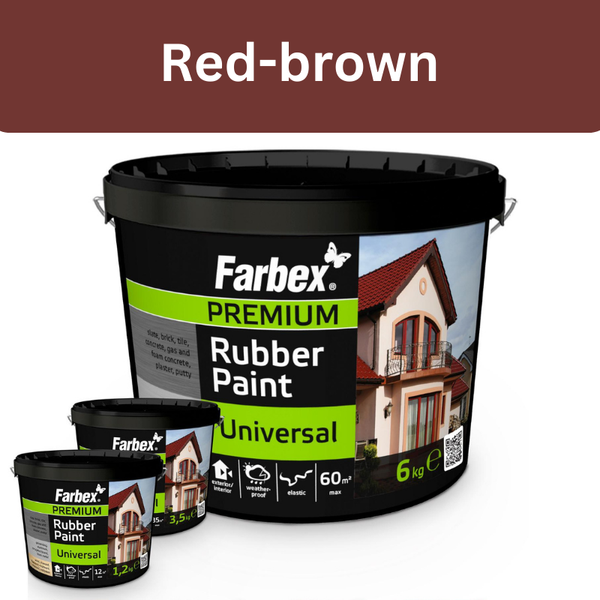
Anthrazit ist der Klassiker für moderne Metallkonstruktionen, Schwarz und Grau für Industriebauten. Braun und Rotbraun für rustikale Optik (Schmiedeeisen, Gartentore).
Unser Team berät Sie zu Rostbehandlung, Untergrund-Vorbereitung und richtiger Farbwahl — kostenlos und unverbindlich.