Quellen & Schwinden
Holz verändert sein Volumen um bis zu 8 % zwischen feuchter und trockener Jahreszeit. Klassische Lacke reißen — Wasser kann eindringen.
RUBBERPAINT
local_shipping
Versandkostenfrei ab €199,00
trending_up
Nur noch €199,00 bis kostenlosem Versand!
check_circle
Versandkostenfrei freigeschaltet! 🎉
bolt
Versand in 24 h
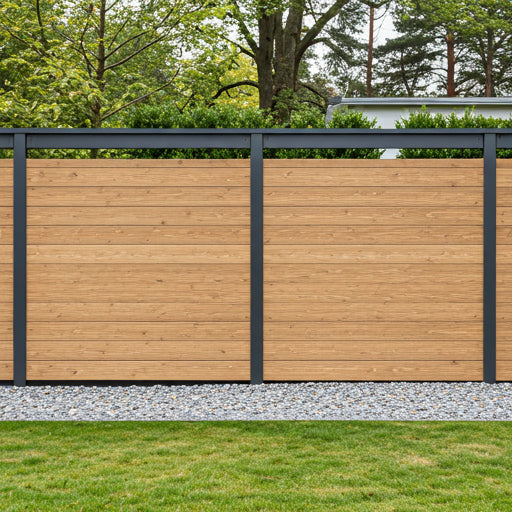
Liquid plastic for fence, garden house, carport, pergola and wooden facade. Follows the natural swelling and shrinking of the wood without cracking. Protects against greying, rot and algae infestation.
Holz arbeitet — es dehnt sich bei Feuchtigkeit aus und zieht sich bei Trockenheit zusammen. Starre Lasuren und Lacke reißen, Wasser dringt ein, das Holz fault.
Holz verändert sein Volumen um bis zu 8 % zwischen feuchter und trockener Jahreszeit. Klassische Lacke reißen — Wasser kann eindringen.
Eingedrungenes Wasser zersetzt die Holzfasern. Bauteile verziehen sich, tragende Elemente verlieren ihre Festigkeit.
Ohne UV-Schutz vergraut die Holzoberfläche innerhalb von 1–2 Jahren. Algen und Pilze siedeln sich an, das Erscheinungsbild leidet dauerhaft.
Hochelastisch (Klasse A0/C0) — folgt jedem Quell- und Schwindzyklus ohne Rissbildung. Anders als starre Lacke.
Eine durchgehende elastische Membran schützt das Holz vor Schlagregen und Dauerfeuchte — kein Eindringen in die Fasern.
Stabilisiertes Acryl-Latex-System hält UV-Strahlung stand. Holz behält seine Farbe statt zu vergrauen.
9 RAL-Töne von Schwarz bis Gelbbraun. Deckt alte Vergrauung, frühere Lasuren oder Schäden zuverlässig ab.
Clean fibres for optimal adhesion.
Mechanically remove loose wood fibres, old glaze residue and dirt — if needed sand with grit 80–120, then sweep off dust thoroughly. Wood moisture must be below 20 % (manufacturer specification); higher moisture risks bubbling.
For heavily greyed wood or algae/fungal infestation, pre-treat with a wood de-greyer or algae/fungus remover, rinse thoroughly and let dry for 48 h.
Pro tip: Never apply over pressure-treated wood under 6 months old — impregnation agents must outgas first. Test: a water drop must absorb in 30 seconds, otherwise too early.
Important if pre-damaged.
On strongly absorbent or splintery wood apply a deep primer (wood impregnation) — improves adhesion and protects against fungal growth through the wood. Let dry for 12 h before further work.
On sound old paint (glaze, lacquer) sanding with grit 80–120 is enough — primer can be skipped.
Pro tip: Always prime cut edges and end-grain twice — wood absorbs most here and weathering starts here. Double priming extends service life by years.
Deep penetration for hold.
Apply diluted with up to 5 % water (up to 10 % with airless sprayer) — that way the first coat penetrates the wood fibres and forms the bonding base. Work with brush or lambswool roller in the grain direction. Consumption 150–250 g/m² (wood is absorbent).
Particularly careful at cut edges and joints — these areas are weather-prone.
Pro tip: On vertical wooden boards (fence, facade) work top to bottom and spread out drips immediately — otherwise streaks form that can't be fixed later.
Patience pays off.
Cure for at least 4 hours at 23 °C / 50 % RH. Wait longer at higher humidity or lower temperatures (up to 8 h). The first coat must be completely dry through, otherwise the second won't hold.
Protect wood from rain during drying — for outdoor application stretch a tarpaulin or postpone work to dry weather.
Pro tip: On strongly absorbent or dark wood the first coat often looks very matt — no concern, the second coat creates the final finish.
The final armour.
Apply undiluted, in the grain direction. Consumption 100–200 g/m². Rain-resistant after 24 h (manufacturer specification), carefully loadable after 24 h, fully load-bearing and cured after 28 days.
On heavily stressed areas (wooden fence facing the street, wooden facade weather side) a third coat is recommended — refurbishment then in 5–7 years instead of 3–4.
Pro tip: Touch up cut edges and post feet annually with a thin coat — these are the first weak points and so double the service life of the whole coating.
On heavily greyed or algae-infested wood, pre-treat with a wood de-greyer or algae remover and let dry thoroughly. Never apply on pressure-treated wood under 6 months of age — impregnation agents must outgas first.
Holz ist saugend — kalkulieren Sie mit höherem Verbrauch. Stark verwittertes oder Druckimprägniertes Holz: 3 Schichten empfohlen.
Standard: 2 coats. 3 for heavily-stressed surfaces.
Verbrauch: 200 g/m² pro Schicht. +10 % Reserve für Schnittkanten und unebene Flächen. Bei Großprojekten (> 80 m²) kontaktieren Sie uns für eine individuelle Beratung.
Empfehlung
für 20 m² · 2 Schichten
Wird berechnet…
Versandkostenfrei ab 199 € — schauen Sie sich Ihren Warenkorb nach dem Hinzufügen an.
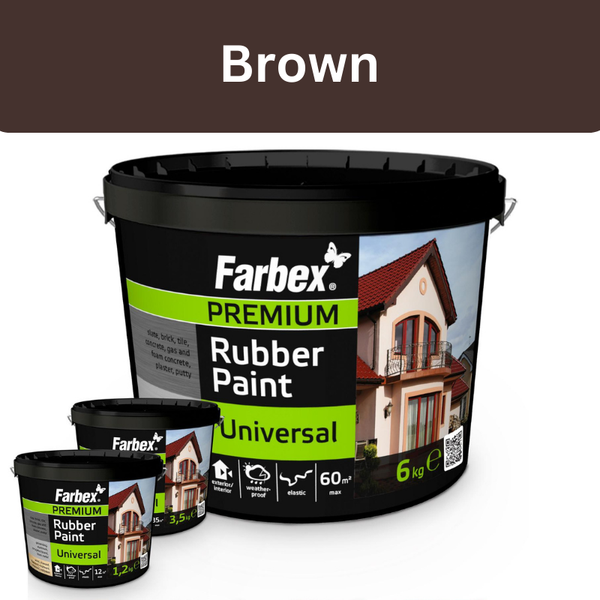
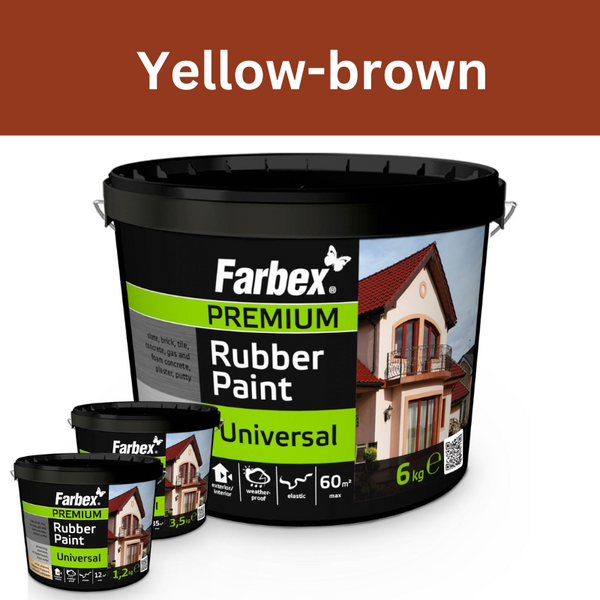
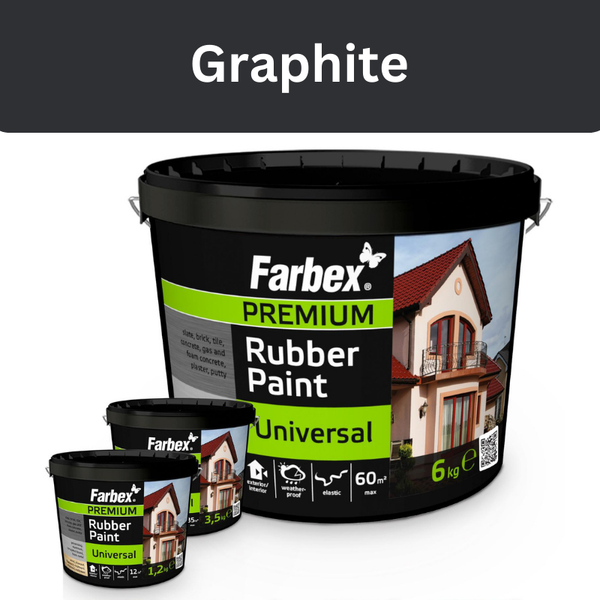
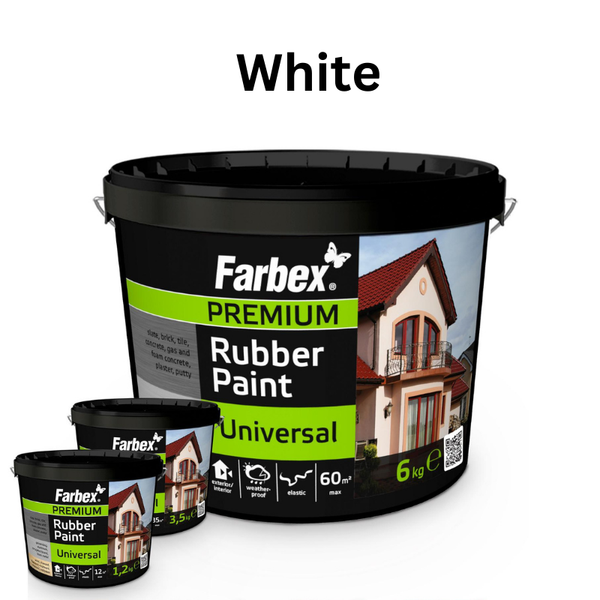
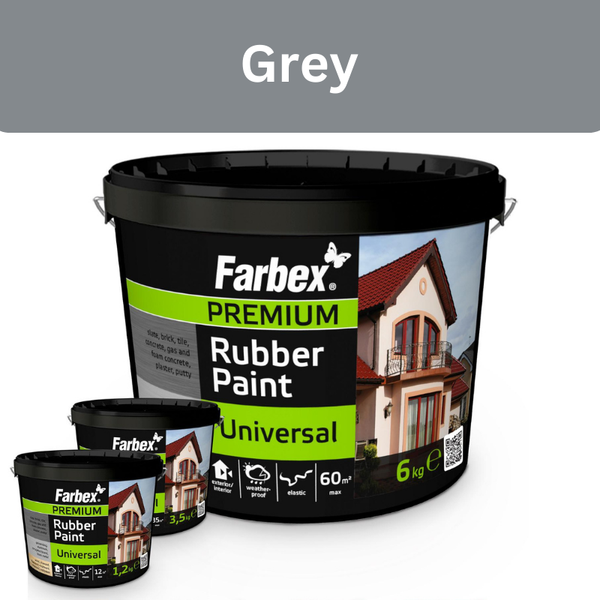
Braun- und Gelbbrauntöne harmonieren mit Naturholz. Schwarz und Anthrazit für moderne Optik. Weiß für skandinavischen Stil.
Unser Team berät Sie zu Holzart, Vorbehandlung und Materialbedarf — kostenlos und unverbindlich.